

At Jnana Prabodhini Prashala, education means much more than academic excellence. Our mission — “Motivating Intelligence for Social Change” — guides us to create experiences where learning becomes living. Here, intelligence is not only nurtured, but channeled toward building a better society. Learning is not passive — it is purposeful.
This year, I had the opportunity to design a civic engagement activity for our 6th standard students, aimed at introducing them to real functioning of urban governance through direct experience. These young learners, many of whom had never even heard of “wards” or “municipal departments,” were introduced to PMC’s digital governance structure, the roles of departments like Road, Solid Waste, Drainage, Garden, and most importantly — their own agency in a democratic society.
💡 Thought Behind the Activity
A central thought guided me: What kind of social issues can students realistically engage with?
Obviously, 6th standard students cannot do large-scale fieldwork or invest resources. But they can observe their surroundings, identify civic issues, and most importantly, report them responsibly. In doing so, the ownership of change remains with the student, while the execution happens through the municipal system. This model of action is practical, empowering, and age-appropriate.
Rather than limiting civic education to poster-making or speeches about societal problems, I wanted students to act, not just express. And so, the activity was born:
Observe a local civic issue, register it using PMC’s official complaint portals, and follow up.
🔍 Planning and Preparation
Before launching the task in class, I conducted a pilot activity—filing two complaints myself, which were resolved. This gave me valuable insight and confidence to present a realistic model to students.
When I introduced the activity to students, I emphasized its impact.
“If 60 students file 60 complaints in a month, that’s 60 problems our city can solve.”
This clarity and purpose motivated students immediately.
However, within the first week, I noticed something important — while students were motivated, very few had actually taken action. That’s when I paused, re-evaluated, and designed a digital toolkit — a step-by-step guide with screenshots to help them navigate the complaint process independently. This toolkit turned out to be a turning point.
🤝 Guiding Students Through the Process
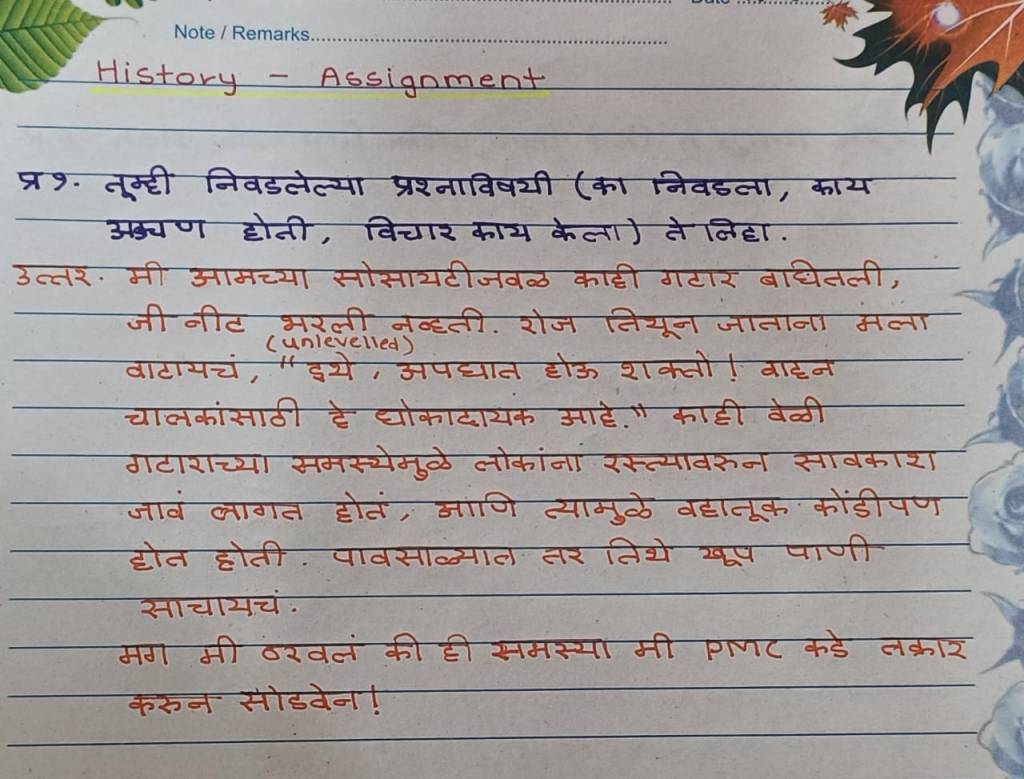
Students who needed help choosing what problem to report came to me personally. These conversations — about overflowing garbage, broken swings, potholes, and stray dogs — helped them identify real, relevant issues from their surroundings.
As complaints began to get filed and PMC started responding, a wave of motivation spread across the class. Some students even received phone calls from engineers, and work began to happen. These successes encouraged reluctant students to participate.

📑 Documentation and Accountability
Students were asked to submit:
- The civic issue and its importance
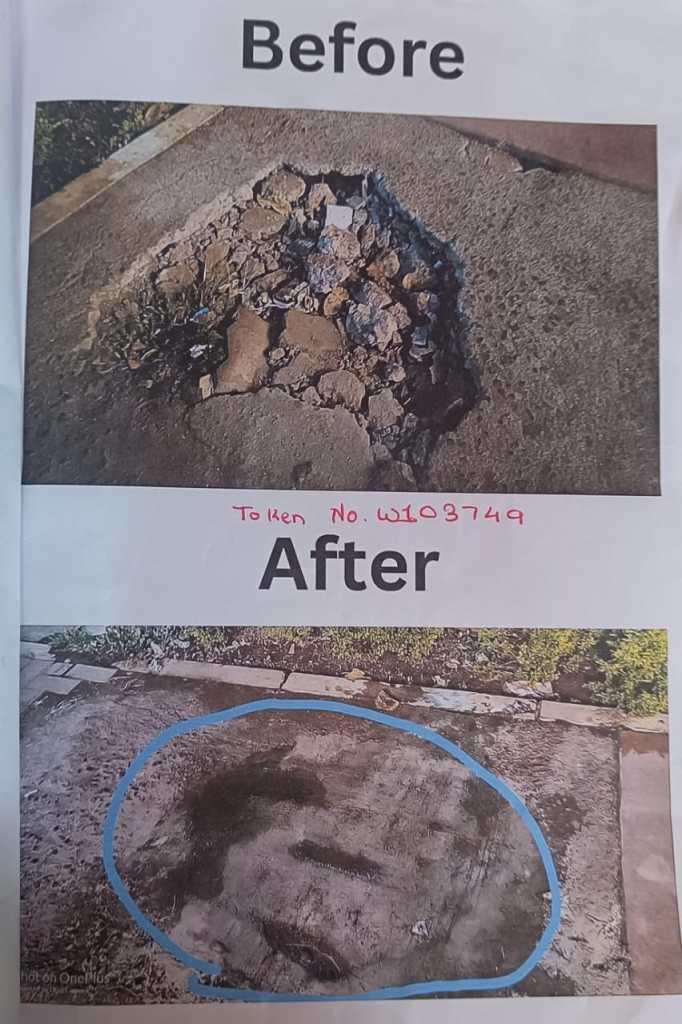
- Token number from the portal
- Their personal experience
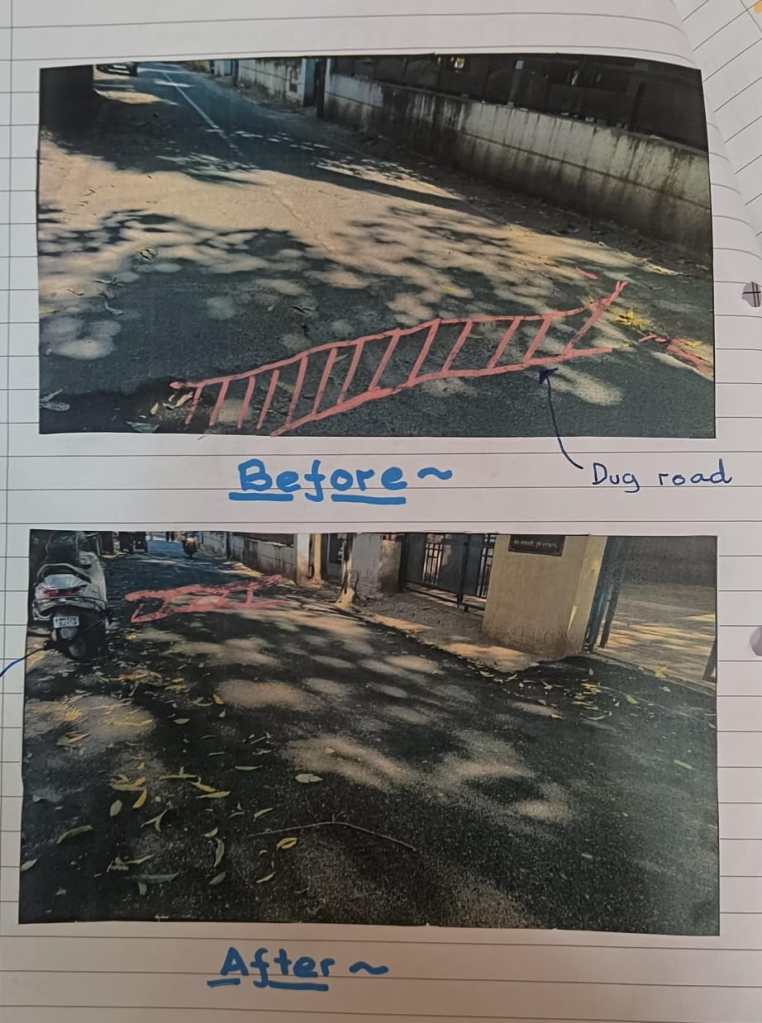
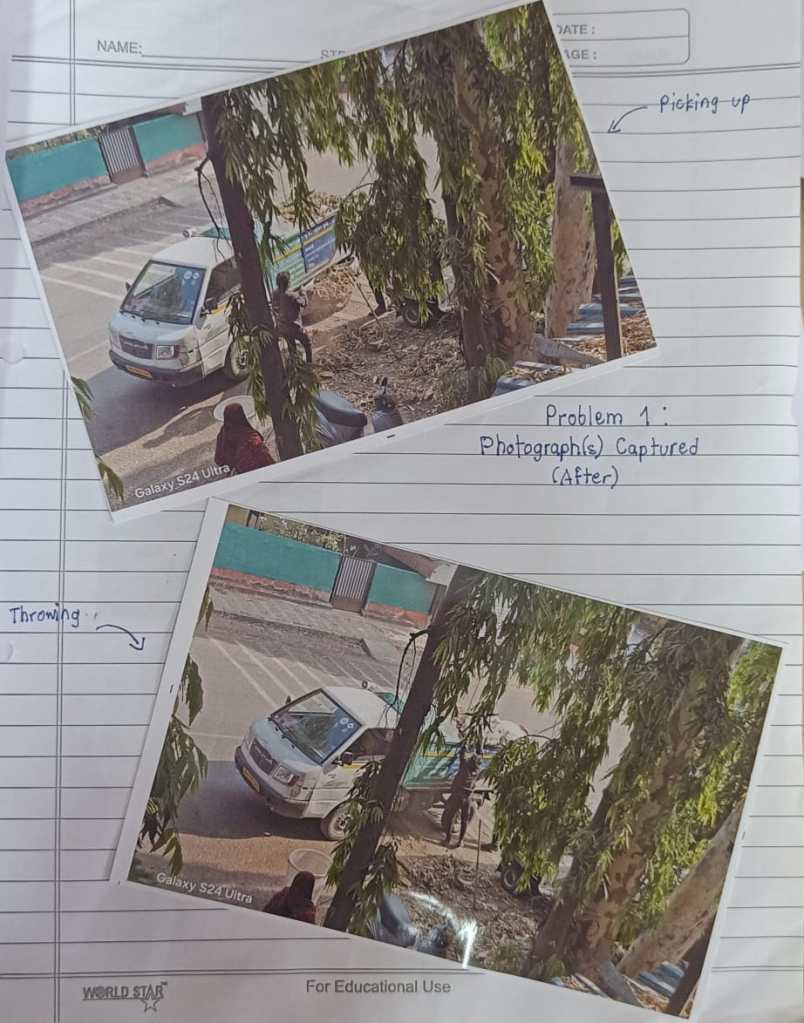
- Before-and-after photos, where possible
To ensure the results were grounded in reality, I followed up with students directly, especially in cases where the complaint was marked “resolved” without photo evidence
📊 Analysis and Impact
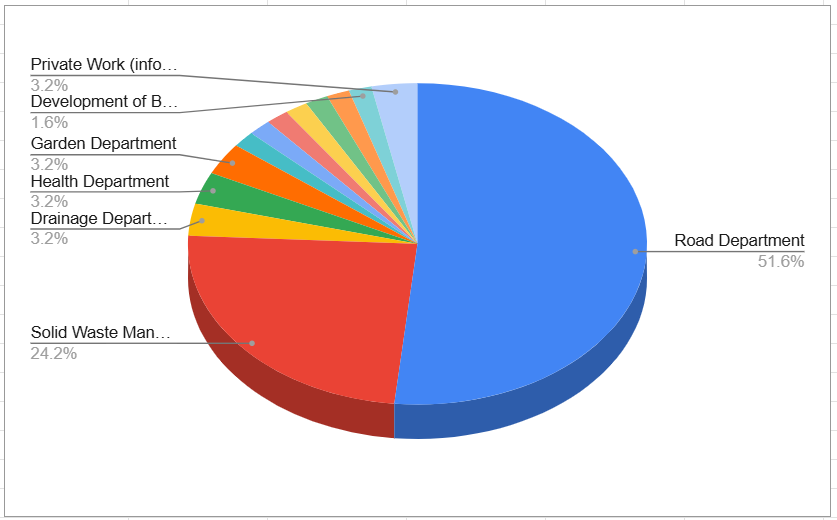
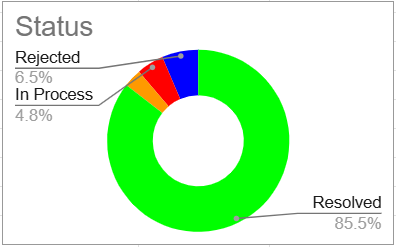
After a month, I compiled all complaints and did a detailed analysis. The results were heartening — more than 85% of problems were solved.
Some stories stood out:
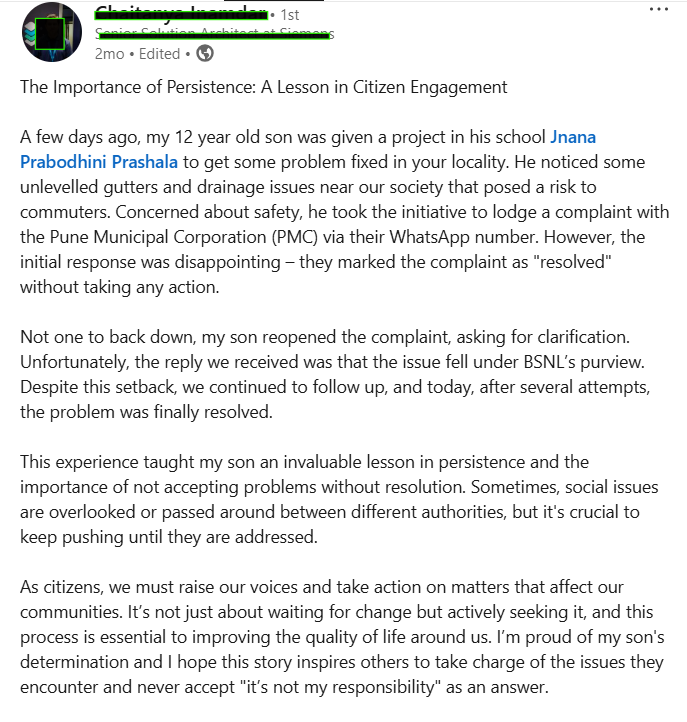
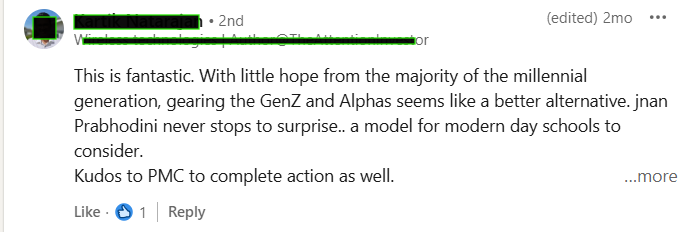
- One student’s complaint was closed without resolution. He reopened it, followed up via phone, and ensured it was done. His parent proudly shared this on LinkedIn.
- Another student’s complaint led to a tapari (illegal stall) being served a one-month eviction notice.
- A few students, inspired by their first success, filed multiple complaints — showing how ownership leads to initiative.

🧠 What Students Learned
Through this task, students gained real insight into:
- PMC’s structure and digital systems
- The ward system and local civic responsibilities
- The power of initiative in solving real-world problems
- The limits and realities of governance — budgeting, tender processes, response times
- How even small steps can bring real change
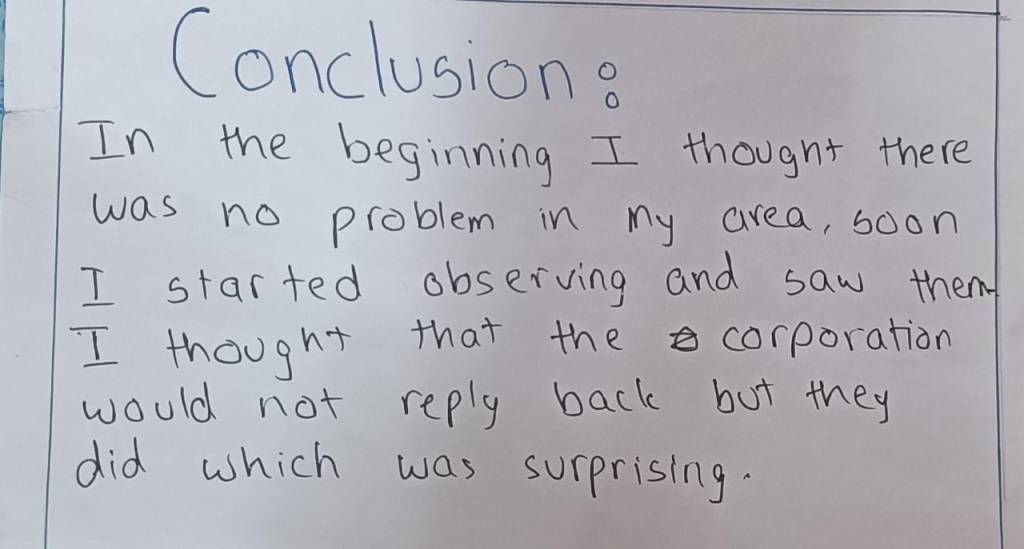
Most importantly, they learned that they matter — and their actions have consequences.


✨ Personal Reflection
Even after marks were recorded, I felt the need to document this experience — not just as a project, but as a turning point in my own journey as a teacher. This wasn’t just about teaching civics. It was about enabling transformation, in students and in myself.
It reinforced my belief that when children are trusted with real-world tasks and supported meaningfully, they rise to the occasion — and often go beyond.
💬 Closing Thought
Let us move beyond discussions of problems to meaningful action. When students get to see the change they create, they carry that spirit with them into the future — and that is where true education begins.
” नव्या युगाचे पाईक आम्ही, तारे नव क्षितिजावरचे
निजरुधिराची आण वाहुनी, रूप पालटू देशाचे! “
These young stars are not just learning about change — they are becoming the change.
Starting from solving small civic problems today, they are preparing to envision and solve national and global challenges tomorrow.
_ Shreyash Phapale
One response to “Empowering Young Citizens: A Journey from Observation to Action”
-
Amazed and Inspired by the Motivation led Action initiative!
A lesson in history through civics responsibilities and duties is a model in education for all ages!
I am more impressed by the comments and “ownership” shown by parents than the students!
Looking forward to reading and hearing more about such “experiments” in education!
SubscribedLikeLike

Hello,
I’m Shreyash

Namaste! I’m Shreyash, blending education with everyday experiences.
Join me as I share ideas, reflections, and inspirations!
Together, let’s spark change, one idea at a time.
 Shreyash Phapale
Leave a comment